
Marriage in the Maasai Community
By Irene G. (Form 2)
Features
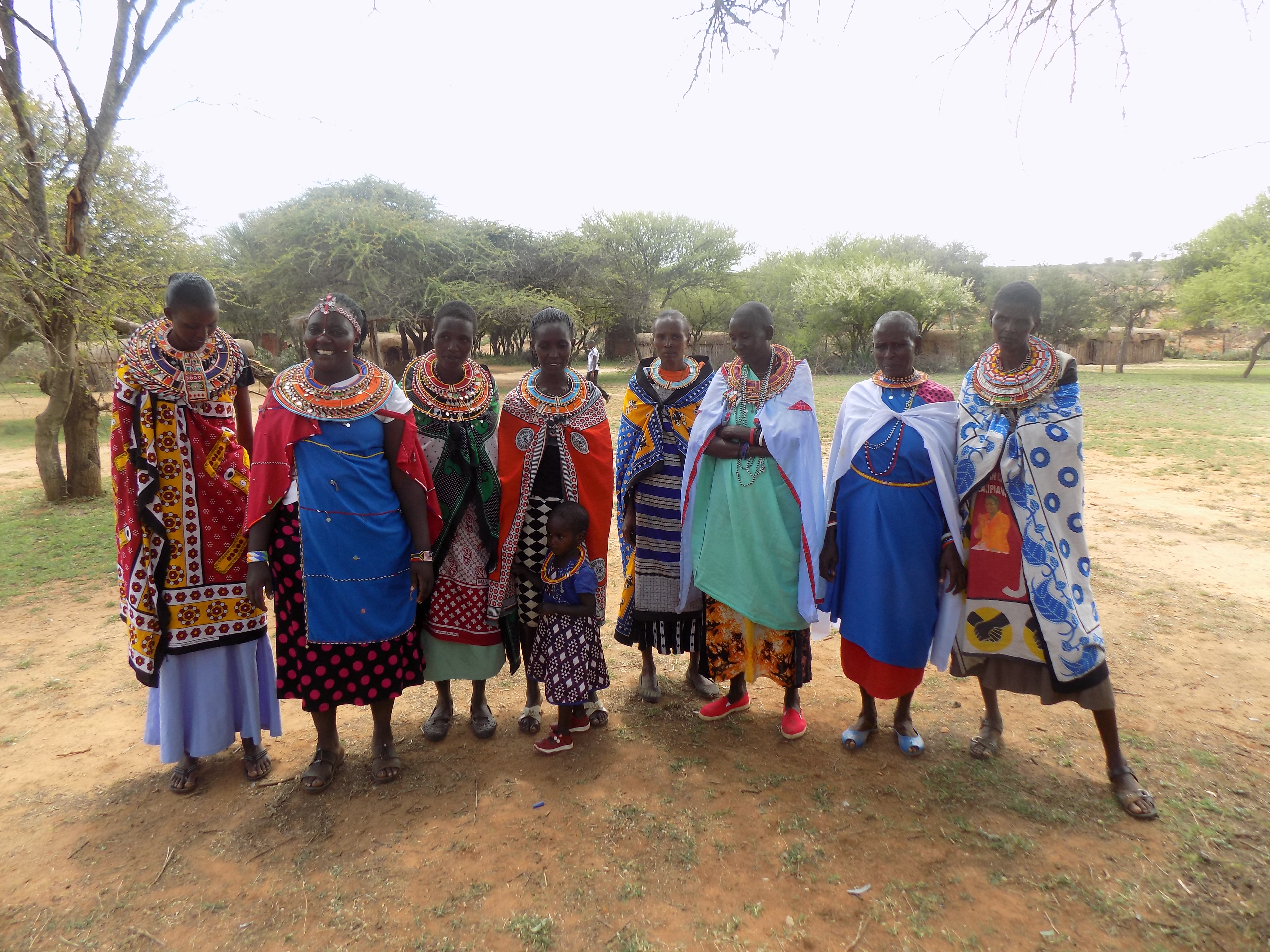
Marriage in the Maasai community is conducted after initiation of the boy and girl. The marriage is arranged by elders without informing the bride and her mother. Dances are common and this is where boys and girls meet. When a boy admires a girl, he goes to his parents and the parents go to the girl’s family to ask for her hand in marriage. If the family agrees, the boy’s parents would return on the next visit with a dowry of animals like cattle, goats, sheep, bed sheets and blankets. They also take khat and sugar. In this case, girls do not have choices but to accept because it is their parents’ wish for them. This is sometimes sad because some girls are so young and are forced to marry older men who do not really care for them. If a girl tries to decline a marriage offer, she will be beaten until she accepts.
During the marriage ceremony, a big sheep or a bull is brought from the groom’s home and slaughtered. Funny enough, the bride does not eat the meat. Another goat from the bride’s home is slaughtered for her. On the wedding day, the men stand at the gate and lift their sticks up, intersecting each other to create a gate. The best man goes through the gate first followed by the groom and his parents. The wedding clothes are the skin of cows with the red ochre applied on the skin for decoration. The shoes are also made of the skin. The bride and the groom apply the red ochre on the head for beauty. The bride’s present is milk and fat in a gourd.
After the girl has passed the gate, the men bless her and release her to go with her husband. After a few metres, depending on the distance of the groom’s home, the bride sits down and takes three sips of the milk. In case there is stones or river on the way, she is carried by the best man until the ground is good without stones or rivers. When they reach the bride’s home, a big ceremony is conducted by the elders to welcome the couple to their home. On the same day, a room is prepared for the couple to spend the night with the best man. Both the bridegroom and the bride are called for a talk on how to manage their family. They are advised on how to live a happy life together.
On the next day, everyone in the groom’s family gives them a cow, sheep and goats. Other people from the neighboring homes also take gifts to them. It is always very hard for them to divorce until very serious cases arise. And if that happens, all the dowry that was paid could be taken back. It is not advisable for a wife to marry again but if she feels like she wants to marry, she can just do it.
Most women become widows because they are married by older men. After the husband dies, the oldest son takes charge of the family. He is the one who takes care of his siblings and his mother. Even after the son has married, he still has to take care of his mother’s family. This ceremony is always very important in the Maasai community because one is then respected by the community. The widows are regarded as the head of the community and can take part in any ceremony taking place in the community.





Leave A Comment